
Most turbochargers don’t die of old age — they’re killed by turbocharger oil starvation. The majority of turbo failures trace back to lubrication problems, not manufacturing defects. The good news: almost all of them are preventable.
5 Common Causes of Turbocharger Oil Starvation
1. Blocked or kinked oil feed line. Carbon deposits narrow the feed pipe over time. Oil pressure at the gauge can look fine while the turbo bearings are starving.
2. Contaminated oil. Metal particles or sludge score the journal bearings and thrust surfaces within hours of circulation.
3. Skipping the prime on installation. A brand-new turbo fitted dry runs its first seconds with zero oil film — enough to damage bearings before oil ever arrives.
4. Wrong oil grade or overdue oil change. Oil that’s too thick on cold start, or degraded oil that has lost its film strength, can’t protect bearings spinning past 100,000 RPM.
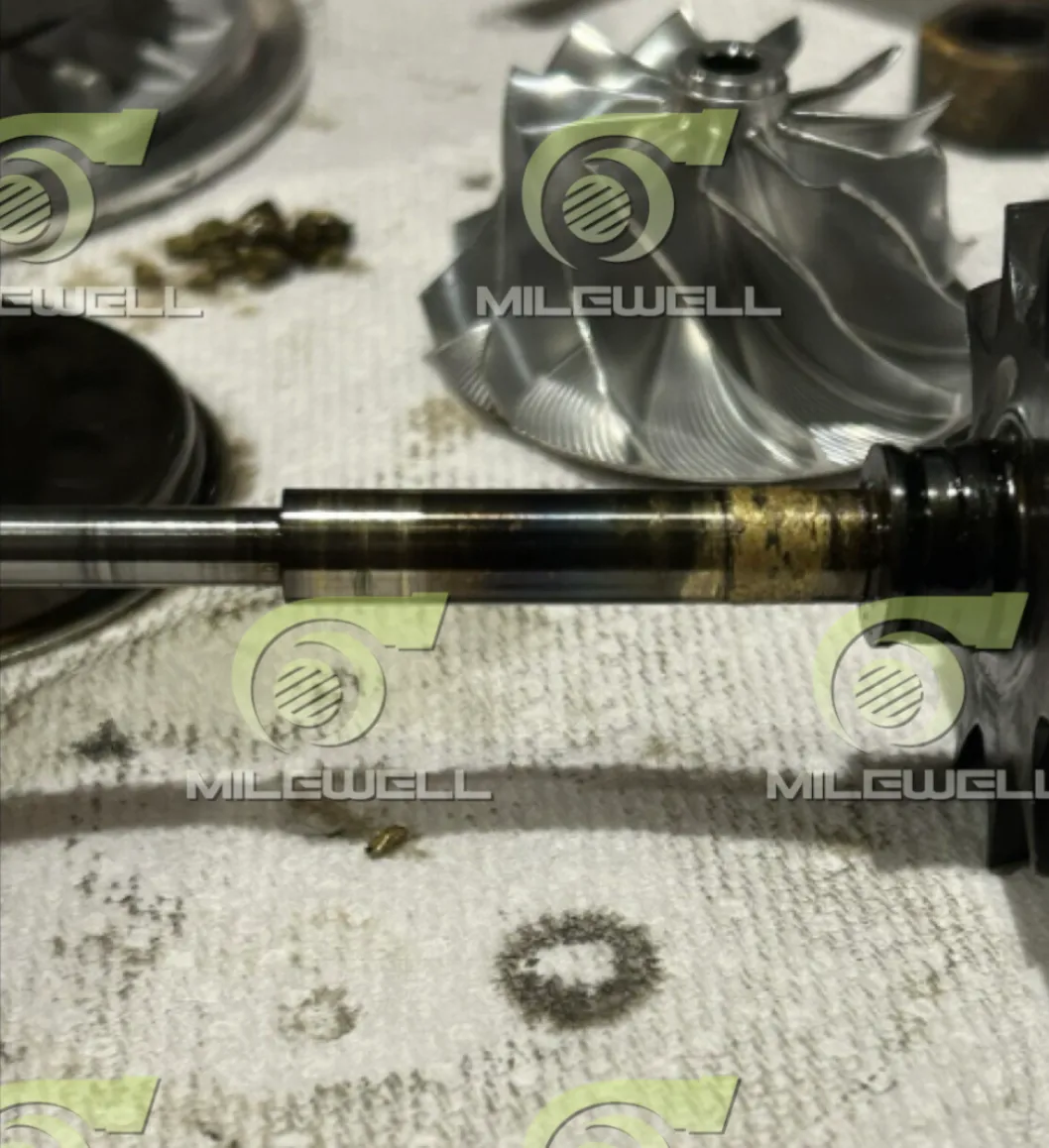
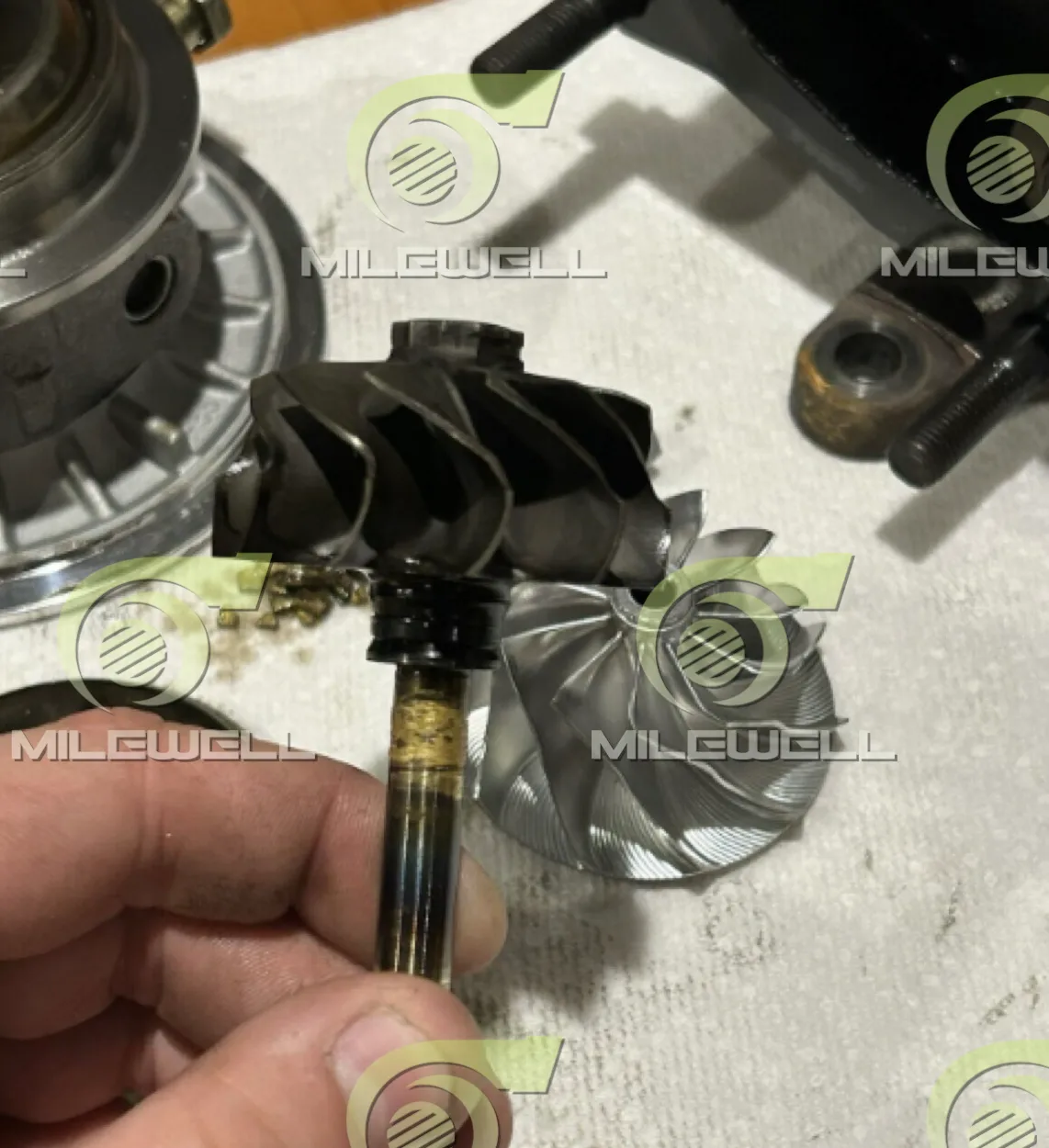
5. Hot-shutdown coking. Switching off immediately after hard driving bakes oil inside the bearing housing into hard carbon deposits (“heat soak”).
Turbocharger Oil Starvation Symptoms
- Blue or grey exhaust smoke under boost
- High-pitched whining that rises with RPM
- Excessive shaft play (axial or radial) on inspection
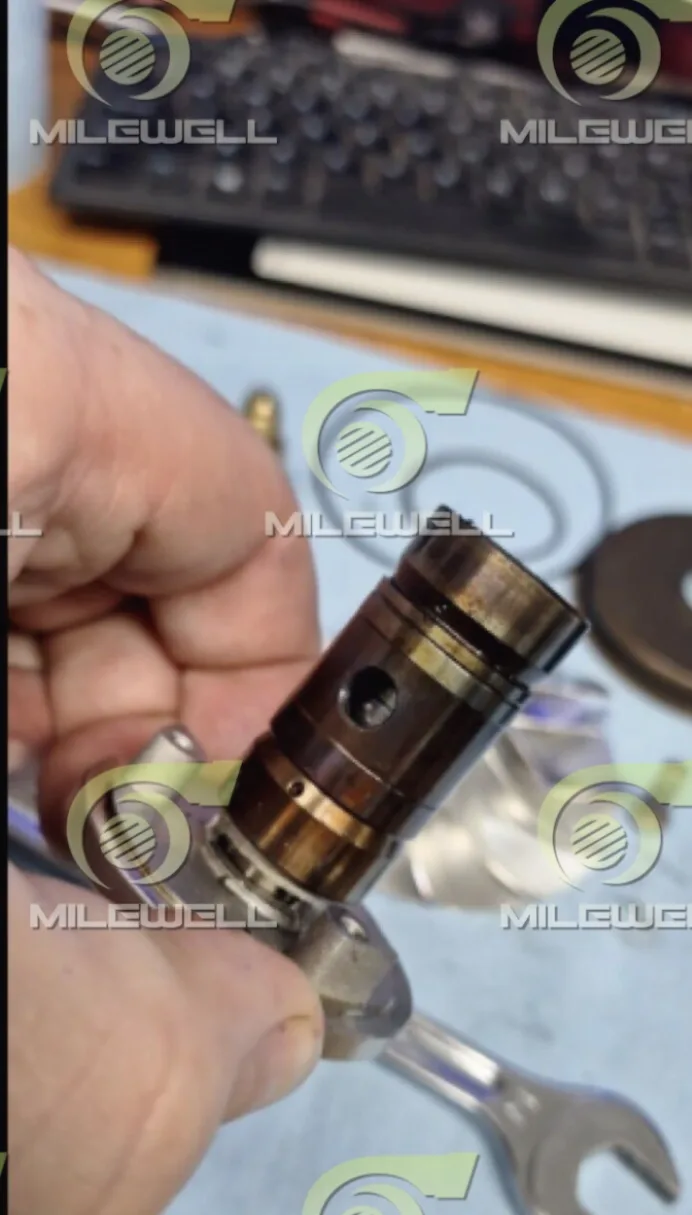
- Scored or discolored (blued) bearings and shaft journals
- Sudden loss of boost pressure
Prevention Checklist: Before Fitting the New Turbo
- Replace the oil feed and return lines — never reuse them.
- Change engine oil and filter.
- Prime the turbo: pour clean engine oil into the oil inlet and rotate the shaft by hand.
- Crank the engine without starting until oil flows from the return line.
- Verify oil pressure meets spec at idle and under load.
- After hard driving, idle 1–2 minutes before shutdown.
Skip these steps and the replacement turbo fails the same way — usually within weeks.
FAQ
Can I just replace the turbo without checking the oil system?
No. If oil starvation killed the first unit, the cause is still in the engine. Fix the system first, then fit the turbo.
How long can a turbo survive without oil?
Seconds, not minutes. At 100,000+ RPM, the oil film is the only thing separating the shaft from the bearing.
Dealing with repeat failures? Browse our CHRA range or send us your specs — and tell us what killed the last unit so we can help you break the cycle.